
Gut Microbiome | 01: Understanding the invisible ecosystem that shapes our health
All living things require energy and nutrients to thrive. The human body largely relies on various food groups to fulfil these requirements. When we eat, we inevitably consume bacteria, viruses and other organisms. And like all living things, these microbes strive to survive in their environment.
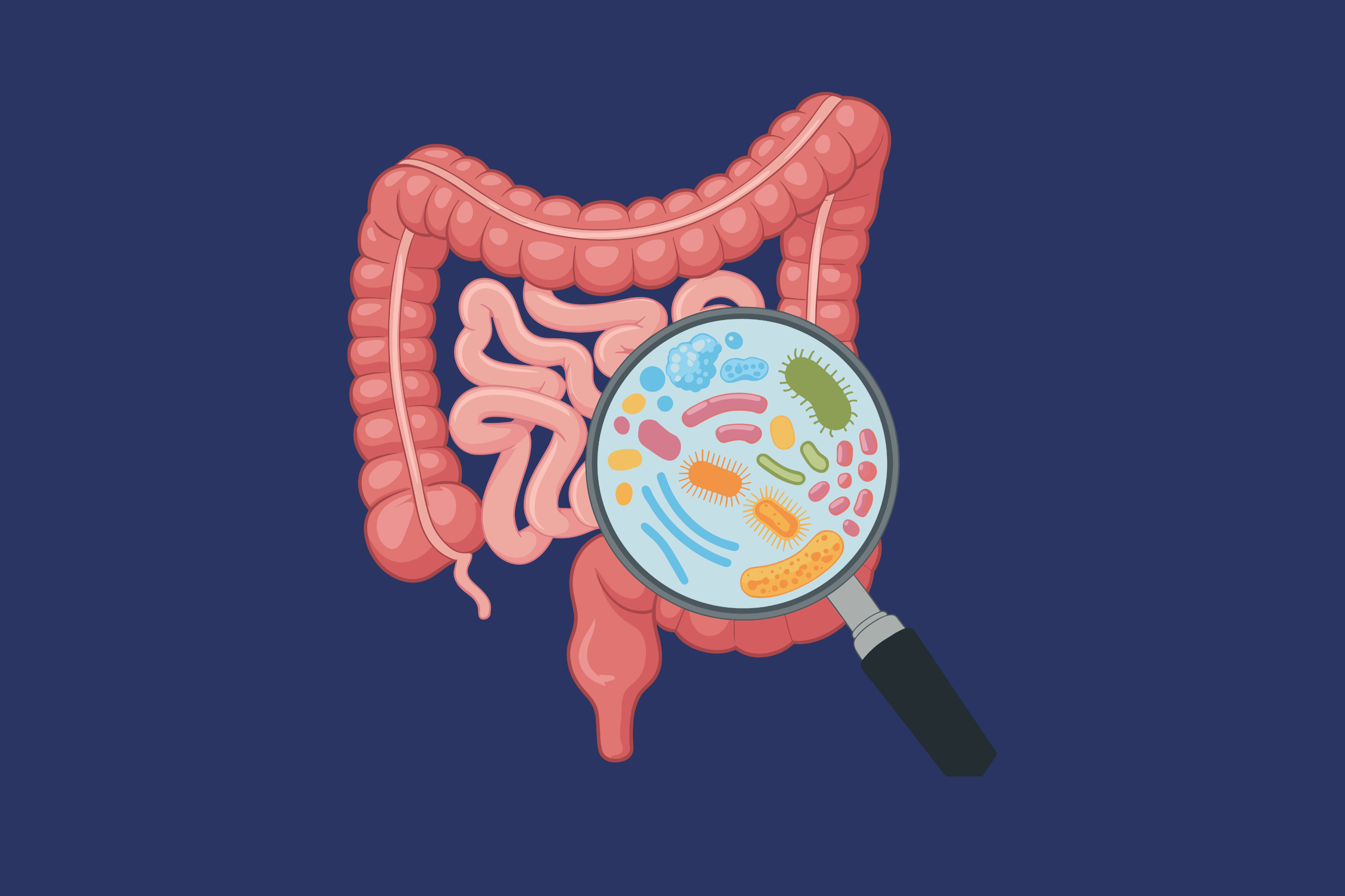
A microbiome refers to a community of bacteria, viruses, fungi, and their genes that reside in a specific environment, such as parts of the human body, soil, or water. The gut microbiome is the collection of microorganisms living in the digestive tract, with the highest concentration found in the large intestine.
Far from harmful, the gut microbiome is an active participant in overall health and wellbeing. These dynamic ecosystems form mutually beneficial relationships with the body’s systems, performing crucial roles such as:
Supporting Digestion
The human gut cannot fully break down certain foods, such as fibre. Friendly bacteria aid the digestion of fibre by converting it into useful compounds that nourish your gut and body.
Strengthening the Immune System
A large portion of our immune system is closely linked to our gut. The microbiome helps teach immune cells to recognise harmful invaders and respond accordingly.
Protecting Against Harmful Microbes
Certain bacteria act as a natural defence system, preventing harmful microorganisms from multiplying and causing illness.
Influencing Metabolism
Gut microbes help regulate how the body uses energy, stores fat, and controls blood sugar. This is why the microbiome is often linked to conditions such as obesity and Type 2 Diabetes.
Producing nutrients
Certain microorganisms synthesise essential vitamins, which support metabolism and overall health.
Communicating with the Brain
Through the gut-brain axis, the microbiome has been found to influence mood, stress, and mental well-being. Gut bacteria can produce serotonin, impacting cognitive function through the gut-brain axis.
Gut health involves more than merely fulfilling dietary requirements; it requires a balanced microbiome. This invisible ecosystem constantly works to improve various systems and processes in the body. A healthy gut can help improve overall health and well-being.
References
Ma, Y., Wang, L., Hu, H., Shieh, A. R.-E., Li, E., He, D., He, L., Liu, Z., Paing, T. M., Chen, X., & Cao, Y. (2026). Composition and Function of Gut Microbiome: From Basic Omics to Precision Medicine. Genes, 17(1), 116. https://doi.org/10.3390/genes17010116
Zhang, P. (2022). Influence of Foods and Nutrition on the Gut Microbiome and Implications for Intestinal Health. International Journal of Molecular Sciences, 23(17),9588. https://doi.org/10.3390/ijms23179588
