
The Art of Science
The scientist and the artist begin in the same space: wonder.
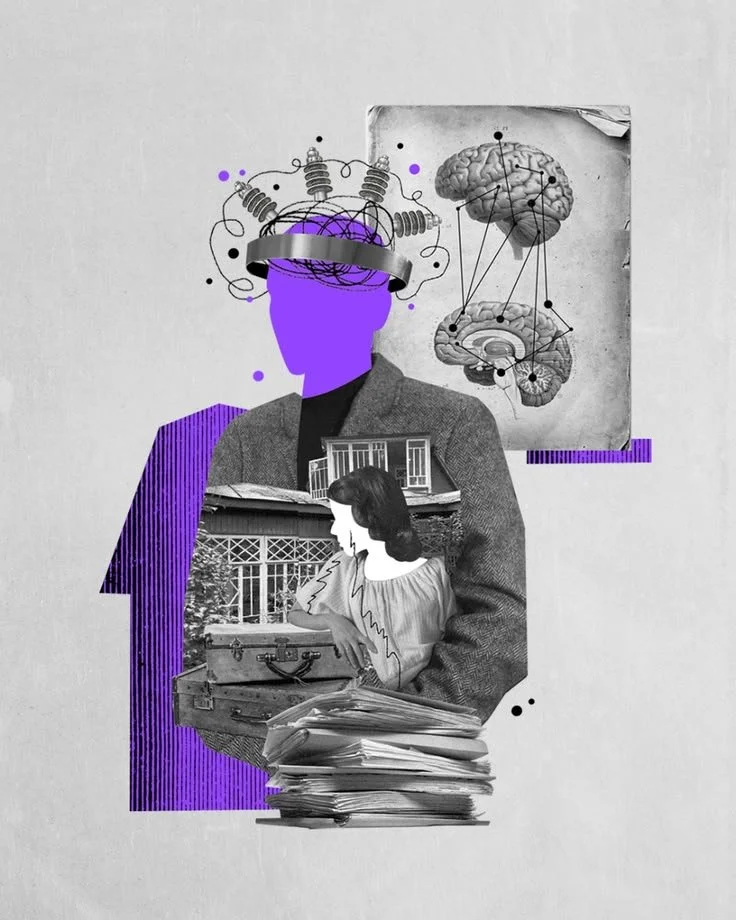
Illustration by Olga Khaletskaya
Science is often perceived as the opposite of art. One is said to belong to logic, the other to emotion. One is associated with data and precision; the other with imagination and expression. Society has spent centuries separating them into different classes, as though the human mind can be so easily organised. Science is not solely objective; it is an art of observation and interpretation.
Like art, science begins with imagination: the ability to wonder, notice patterns, picture mechanisms and create experiments. Science depends on careful attention to the world, but so does art. A microbiologist peers into invisible ecosystems within the human body; a poet explores invisible emotional ecosystems within the mind. A physicist studies the movement of light across space; a painter studies the movement of light across skin.
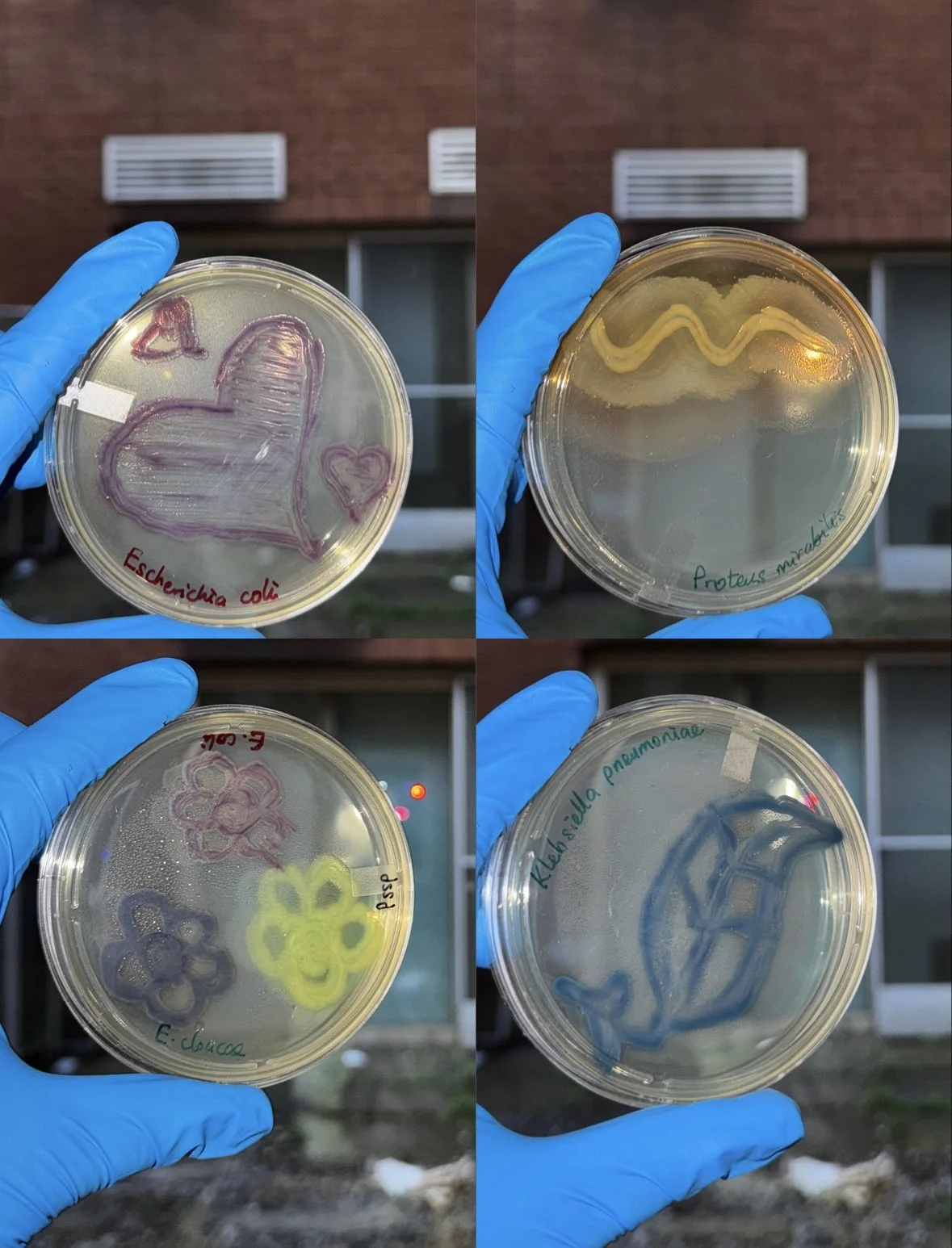
Bacterial cultures on agar plates showing their distinct colour characteristics
There is an undeniable beauty within science itself. Nature continuously produces artistic structures. The branching of neurons resembles rivers spreading across landscapes. Snowflakes form intricate geometric patterns. Galaxies spiral through space with startling symmetry. DNA coils into elegant double helices carrying the instructions for life. Microscopic organisms create forms so visually striking they resemble abstract paintings.
The beauty of science is not merely decorative. It shapes how scientists think. A successful scientific explanation often possesses clarity and balance. Complex ideas become more accessible when translated through narrative, design, photography or illustration. Science urges one to grasp futures they cannot yet see. Art helps bridge that distance.
And then there is craft. Even scientific laboratories possess artistic qualities. Experiments require design, methods, control variables, and the interpretation of the chaos in raw data. Two scientists can study the same problem with the same tools and arrive at different insights because science is not just procedure; it is intuition.
Neuroscience shows that creativity does not belong to a single isolated region of the brain. Imagination, logic, memory, emotion, and sensory processing constantly interact. Rational thought and artistic expression are not enemies competing for dominance. They are collaborative systems working together to help humans understand reality.
Together, art and science reveal different dimensions of the same human desire: the need to understand what it means to exist. Both are acts of translation and expression. They attempt to transform the unknown into something visible, meaningful, and shareable.
